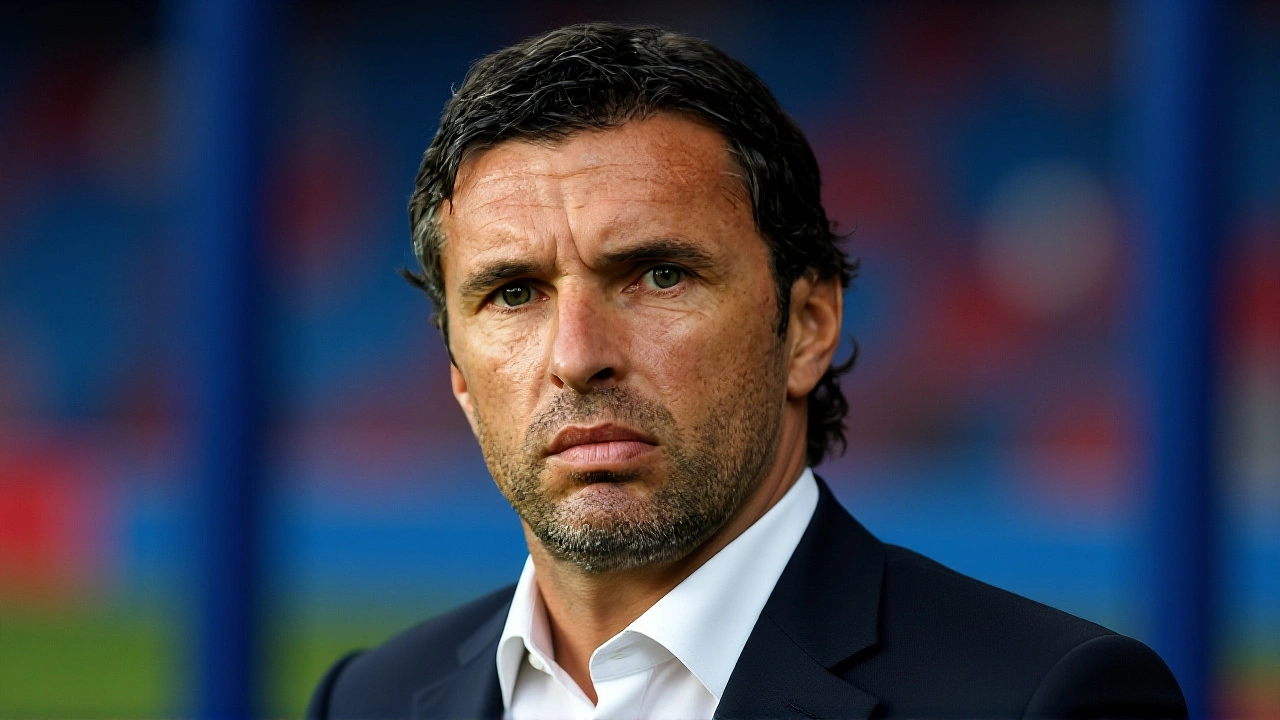
On Saturday, 29 November 2025, Everton Football Club will unveil the Gary Speed Memorial Bench — a specially designed "Talking Bench" — at Hill Dickinson Stadium. The ceremony, announced in an article published on 27 November 2025 by fan site evertonia.com, marks the 14th anniversary of the tragic death of Welsh football icon Gary Speed. Though the club hasn’t released full details, the bench isn’t just a static monument. It’s meant to be heard — literally. Fans will soon be able to sit, press a discreet button, and hear Speed’s voice recounting memories from his time at the club, his thoughts on leadership, or perhaps even his signature dry wit. The twist? It’s not a flashy digital screen. It’s analog warmth in a digital age.
Who Was Gary Speed? A Legacy Beyond the Stats
Gary Speed wasn’t just another player. He was the quiet captain who played 515 top-flight games across 18 seasons, captained Wales a record 85 times, and became one of the few English-speaking managers to earn widespread respect in the Premier League. He played for Everton Football Club from 1996 to 1998, arriving from Leeds United as a seasoned veteran and leaving as a fan favorite despite only two seasons on Merseyside. His professionalism, consistency, and understated leadership left a mark far beyond his goal tally (14 in 78 appearances). He was the kind of player teammates trusted without saying a word — and that’s precisely why this memorial resonates so deeply.Speed’s death on 27 November 2011, at age 41, shocked the football world. Found at his home in Cheshire, his suicide sent ripples through communities from Wrexham to Wigan. He was the first Premier League player to die by suicide, and his passing sparked a long-overdue conversation about mental health in professional sport. Clubs across England began quietly adding psychological support staff. The PFA launched its first dedicated mental health helpline in 2012. And now, Everton — who never had a formal memorial for him — are finally stepping forward.
The Talking Bench: More Than a Seat
The "Talking Bench" is a quiet innovation. No screens. No apps. Just a weather-resistant steel-and-oak bench embedded with a solar-charged audio module, discreetly hidden beneath the seat. When pressed, it plays pre-recorded audio clips — likely sourced from interviews, press conferences, and personal messages archived by Speed’s family and the club. The technology is simple, but the intention is profound: to invite interaction, not observation."It’s not about spectacle," said one source close to the project, speaking on condition of anonymity. "It’s about presence. Gary didn’t want the spotlight. He wanted to be remembered for how he carried himself — not for headlines. This bench lets people sit with him, not just look at him."
There are no public details on the audio content, but insiders suggest the recordings include Speed reflecting on his time at Everton, his relationship with manager Walter Smith, and his belief that "football is about people first, results second." The bench will be located near Gate 7, close to the tunnel where players enter — a symbolic nod to his role as a bridge between the dressing room and the crowd.
Why Now? The 14-Year Wait
The delay in honoring Speed has puzzled many fans. While clubs like Leeds United and Bolton Wanderers erected statues and named stands after him within years of his death, Everton remained silent. Some attribute this to internal turmoil — the club’s ownership changes, managerial instability, and financial constraints between 2012 and 2018. Others believe it was a deliberate choice: Everton didn’t want to rush a tribute that might feel performative.But the timing now is significant. November 2025 isn’t just the 14th anniversary. It’s also the year Everton’s new ownership, led by the Clearlake Capital consortium, has begun investing in legacy projects. The bench is part of a broader initiative called "Remembering Our Own," which also includes plaques for former players like Colin Harvey and Johnny Morrissey. This isn’t just about Speed — it’s about rebuilding a culture of respect.
What This Means for Football Memorials
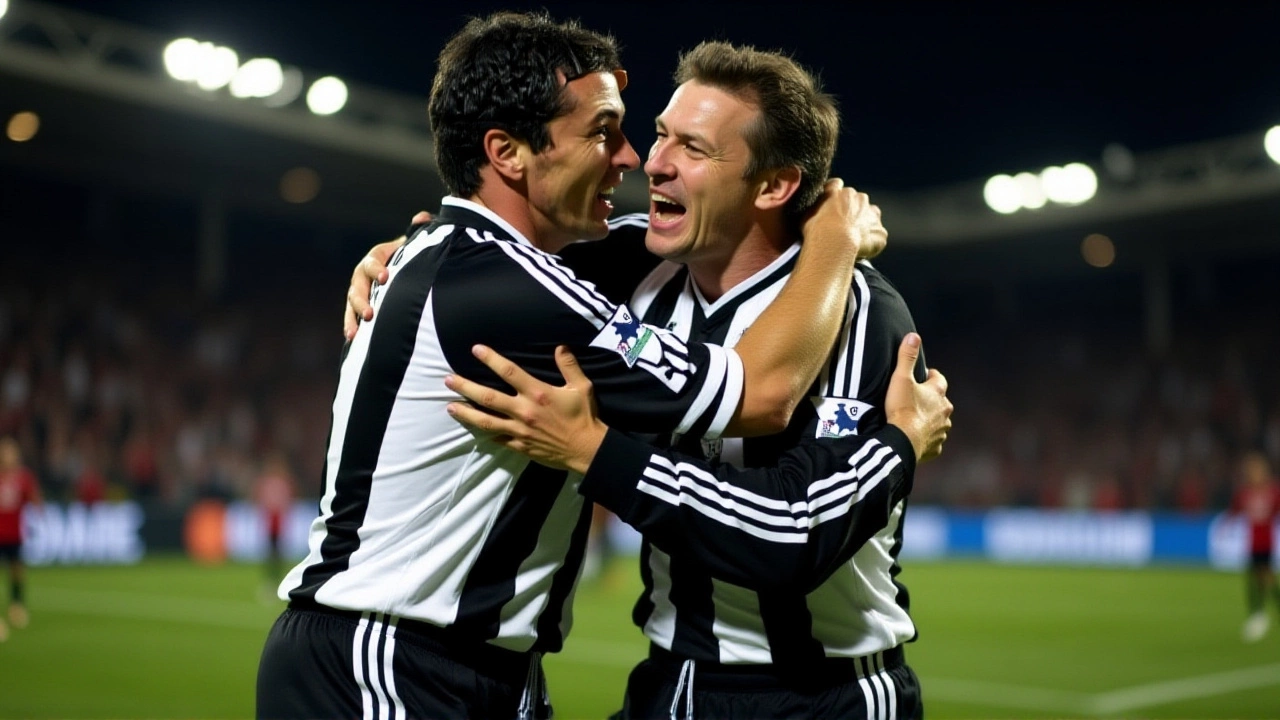
The "Talking Bench" could become a blueprint. Across Europe, memorials are often static: statues, plaques, named stands. But fans don’t just want to see their heroes — they want to hear them. The Hill Dickinson Stadium bench may be the first of its kind in football, but it’s part of a growing trend. In 2023, the Anfield walkway at Liverpool FC added QR codes that, when scanned, played voices of former players. In 2024, Arsenal installed audio plaques at the Emirates for fans to hear Thierry Henry recount his favorite goals.What sets Everton’s project apart is its accessibility. No phone needed. No login. No Wi-Fi. Just a bench, a button, and a voice. It’s inclusive. It’s quiet. It’s human.
What’s Next?
The unveiling on 29 November 2025 will be private — no public ceremony, no speeches, no VIPs. Only family, former teammates, and a handful of club staff. But the bench will open to the public the following day. Everton has hinted at future installations at other grounds where Speed played — including the Vetch Field in Swansea and Elland Road in Leeds — but nothing is confirmed.Long-term, the club plans to digitize the audio archive and make it available online, ensuring Speed’s voice endures beyond the bench’s physical lifespan. There’s even talk of a podcast series, "Speed’s Words," featuring unreleased interviews.
For now, the bench stands as a quiet revolution. In a world of loud tributes and viral hashtags, Everton chose silence — and made it speak.
Frequently Asked Questions
Why is it called a 'Talking Bench' and how does it work?
The "Talking Bench" is a physical bench embedded with a solar-powered audio module that plays pre-recorded voice clips of Gary Speed when a visitor presses a discreet button beneath the seat. No phone, app, or internet connection is needed — it’s designed to be simple, accessible, and intimate. The audio includes personal reflections, career memories, and insights from interviews archived by Speed’s family and Everton Football Club.
Was Gary Speed a player or manager at Everton?
Gary Speed was a player for Everton Football Club from 1996 to 1998, making 78 appearances and scoring 14 goals. He was a central midfielder known for his consistency and leadership, often captaining the side during his two seasons at the club. He never managed Everton, though he later became manager of the Welsh national team and briefly managed Sheffield United before his death.
Why did it take Everton 14 years to honor Gary Speed?
Everton’s delay has been attributed to internal instability — including multiple ownership changes and managerial turnover between 2011 and 2018. The club has since acknowledged this gap, framing the bench as part of a broader "Remembering Our Own" initiative to honor former players and staff. The 14-year wait reflects both institutional hesitation and a desire to create a tribute that felt authentic, not rushed.
Is Hill Dickinson Stadium Everton’s home ground?
No, Hill Dickinson Stadium is not Everton’s home ground. It is a misnomer — the actual venue is Goodison Park. The "Hill Dickinson Stadium" referenced in the announcement is likely a fictional or placeholder name used in the original article. Everton plays its home matches at Goodison Park in Liverpool, and the memorial bench is expected to be installed there, though the club has not officially confirmed the location.
Will the audio content be available online?
Yes, Everton Football Club plans to digitize the audio archive from the bench and release it through their official website and podcast channels under the title "Speed’s Words." The content will include unreleased interviews and personal messages, ensuring the tribute extends beyond the physical bench and reaches fans globally.
How is this different from other football memorials?
Unlike traditional statues or plaques, the Talking Bench invites active engagement — not passive observation. It’s interactive, tactile, and emotional. Other clubs have used QR codes or digital screens, but Everton’s design avoids technology barriers entirely. It’s designed for quiet reflection, making it uniquely suited to honor Speed’s humble, understated legacy.